


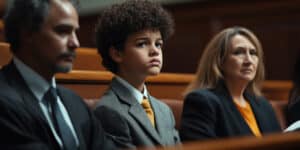
New Evidence that a Minor Was Not Read Their Miranda Rights: How a Single Oversight Can Transform a Juvenile Case
In recent months, a growing number of families have discovered that a minor’s encounter with law enforcement might be built on shaky ground—if the police failed to read the proper Miranda warnings before beginning their questioning. This discovery, often revealed in the midst of an active case, can turn what initially appears to be a damning confession into a constitutionally flawed piece of evidence that may be suppressed, thereby upending the entire prosecution’s theory. In this opinion editorial, we take a closer look at how missing Miranda rights impact juvenile interrogations in Arizona, and why this revelation is both essential and potentially transformative for a young defendant’s future.
For many parents, the moment their child is taken into police custody is intimidating and nerve-racking; they expect that all necessary legal protections, including the obligation for the police to read the mirthless details of Miranda warnings, will be followed. However, too often officers may inadvertently or even carelessly skip this small yet crucial step. When new evidence emerges—a review of body camera footage or an officer’s report that contradicts the claim of having given the warning—the entire case can shift dramatically.
How Missing Miranda Rights Can Undermine a Juvenile’s Case
The absence of a properly administered Miranda warning casts doubt on the validity of any statement made by a minor during police questioning. Given that children and early teenagers process legal warnings differently from adults, the consequences of skipping this procedure are significant. A confession or admission that once seemed damning may in reality be nothing more than a misinterpreted or coerced statement, a detail that defense attorneys can leverage in court.
Law enforcement agencies sometimes do not distinguish between speaking with an adult and questioning a minor. This oversight matters because:
- Minors may not understand the full meaning of the rights they are meant to receive.
- The tone, phrasing, and setting of the interrogation can confuse a young person, causing them to inadvertently waive rights.
- The pressure of a custodial environment can lead a child to offer statements they did not comprehend as self-incriminating.
The result is a defense that can argue these statements were not given voluntarily, effectively weakening the prosecution’s case and creating an opportunity for reduced charges, diversion programs, or in some cases, complete dismissal.
Key Indicators That a Miranda Violation Has Occurred in Juvenile Interrogations
Often the proof that a minor was never read their Miranda rights emerges only after a detailed review of the timeline and circumstances surrounding the interrogation. There are several warning signs or clues that legal teams look for:
- Lack of Clarity: Evidence that the minor did not fully understand the legal warnings due to confusing language or rapid-fire questioning.
- Isolation Techniques: Indicators that the child was separated from peers or a parent without a clear explanation.
- Inconsistent Documentation: Discrepancies between the officer’s statement and body camera footage or other records.
- Custodial Environment: Instances where the child was made to feel they could not leave, even if formal arrest procedures had not taken place.
When these warning signs are juxtaposed with the child’s recollection of the event, the fine points of the case can be reinterpreted in a way that challenges the prosecution’s narrative. Legal experts note that missing Miranda warnings are not a mere technicality; for juveniles, they strike at the heart of whether any statement was ever truly voluntary.
Understanding Juvenile Vulnerability During Law Enforcement Interrogations
Minors are not simply small adults. Their brains are still developing, making them more vulnerable to coercion, confusion, and the stress of a custodial environment. When police question children, the weight of the situation can be overwhelming, leaving them unable to fully grasp their rights or the implications of waiving such rights.
This vulnerability means that even if a warning is given in a hurried or superficial manner, it does not carry the same legal force as it would with an adult. The slight differences in interpretation mean that what may seem acceptable on paper can be deeply problematic in practice. When police assume that the same warning will suffice, they overlook the need to adapt their approach to a child’s limited comprehension and the tangled issues that arise during high-pressure interrogations.
Analyzing Body Camera Recordings and Officer Reports
One of the most powerful tools in exposing a Miranda violation is the body camera footage recorded during a police encounter. By reviewing these recordings, defense attorneys can often spot the tricky parts of an interrogation where the officer’s words and actions failed to meet the legal standard required when questioning a minor. Key elements that are scrutinized include:
- The exact wording used by the officer.
- The tone and pacing of the conversation.
- The physical settings, such as isolation or confinement by the officers.
Similarly, the officer’s written reports are critically examined against any recorded evidence. When discrepancies arise—such as a report stating that the Miranda warnings were correctly administered versus footage that clearly indicates otherwise—it provides a strong basis for a motion to suppress the minor’s statements.
Strategies for Defense Attorneys in Reassessing a Juvenile’s Case
Once a Miranda violation is suspected or confirmed, defense attorneys need to work quickly to figure a path forward that safeguards the rights of the minor. Here, legal teams focus on several key strategies:
- Filing Suppression Motions: If a crucial confession was obtained without the proper warning, requesting that these statements be suppressed from evidence becomes a priority.
- Reconstructing the Entire Encounter: Attorneys dig into every minute detail of the interrogation, compiling a timeline that highlights every confusing bit or subtle part where coercion may have taken place.
- Leveraging Expert Testimony: Specialists in juvenile brain development can testify on how a child’s limited impulse control and immature reasoning affected their ability to understand their rights.
- Challenging Officer Testimony: By comparing body cam recordings with officer statements, legal defense can reveal inconsistencies that undermine the prosecution’s case.
These approaches are often discussed in legal circles as innovative means of steering through a case that is loaded with issues—especially when one critical protective measure has been overlooked.
Real Arizona Examples: Lessons Learned from Miranda Violations
To put things into perspective, consider several real cases from Arizona where significant evidence emerged mid-case showing that a minor was never properly read their rights:
| Case Location | Age of Juvenile | Type of Interrogation | Outcome Following Discovery |
|---|---|---|---|
| Phoenix | 14 | Neighborhood burglary questioning | Confession suppressed and charges dismissed |
| Chandler | 16 | Interrogation in a school office | Case downgraded from felony to diversion program |
| Mesa | 15 | Vape theft questioning | Statements suppressed due to improper custodial setting |
Each of these cases underscores how a missed Miranda warning can gradually reveal itself as a critical misstep during the investigation. When discovery exposes these mistakes, it often leads to a re-evaluation of every detail surrounding the event—from the manner in which the youth was questioned, to the intimidating environment set up by law enforcement.
How Suppressing a Minor’s Inadmissible Confession Alters the Legal Landscape
Suppressing inadmissible evidence can have profound implications for a case. In many juvenile prosecutions, the minor’s own statement is the linchpin for the charges brought against them. When that evidence is removed due to a Miranda violation, the prosecution’s case can quickly unravel.
Consider the following potential impacts when statements are suppressed:
- Weakened Prosecution Case: Without the minor’s confession, the state may have little other evidence to prove guilt beyond a reasonable doubt.
- Opportunity for Reduced Charges: Prosecutors might lower the charges to reflect the weaker evidence, potentially shifting towards counseling or diversion programs.
- Increased Leverage in Plea Negotiations: The omission of key evidence can compel the prosecution to offer more lenient plea deals as a remedy to bolster case strength.
Ultimately, the suppression of a juvenile’s statements does not automatically guarantee case dismissal, but it certainly calls for a thorough re-evaluation of the charges and often results in more favorable outcomes for the defendant.
Examining the Custodial Environment and Its Impact on Juvenile Rights
Arizona law, following the standard set by the landmark Miranda v. Arizona case, requires that police read the Miranda warning when a minor is taken into custody and questioned. However, custody is not solely defined by being physically restrained or handcuffed. The law considers whether a reasonable minor felt unable to leave the situation—a subtle but important distinction.
This factor plays into many cases in which:
- A child is questioned in a school office with the door closed.
- Officers surround the juvenile, leaving them little room to move or question their detention.
- Even casual or “just to talk” questioning occurs in a setting where the minor feels securely confined.
These elements combine to create a scenario where a minor, due to overwhelming pressure and confusing bits of the situation, implicitly feels trapped. If the Miranda warning is skipped or delivered in a haphazard manner, the environment itself becomes a contributing factor to a potential legal misstep—one that defense attorneys can highlight to cast doubt on the voluntariness of any statements made during the encounter.
Detailed Defense Tactics: Reconstructing the Entire Interrogation
When a Miranda violation is discovered, legal teams must quickly rebuild the narrative that led to the minor’s statement. This involves a meticulous re-creation of the entire interrogation from start to finish, focusing on several key areas:
- Timeline Establishment: Attorneys compile a minute-by-minute account of the encounter. This timeline helps identify every twist and turn where proper procedure may have been sidestepped.
- Environmental Factors: Examining the setting that created an intimidating atmosphere—such as isolating the child or using firm, off-putting language.
- Communication Analysis: A detailed study of the officer’s language, including whether legal terms were used in a manner that a minor could understand.
- Expert Contributions: Bringing in experts who can testify on how a child’s brain processes pressure and how this leads to confusion in the face of authority.
These steps are not just administrative; they are a critical part of building a robust defense that challenges every element of the prosecution’s evidence. By shining a light on every subtle detail and fine point where police conduct faltered, the defense can argue that any confession was, at best, misunderstood and, at worst, improperly elicited.
Leveraging Expert Testimony and School Records in Defense Cases
A key component in reinforcing a claim of a Miranda violation is expert testimony. Specialists in juvenile development can provide the court with insight into how a child’s limited understanding of legal warnings can lead to a misguided waiver of rights. These experts often discuss:
- The child’s impulse control limitations and lesser capacity to foresee consequences under pressure.
- The likelihood that a minor could nod or agree out of fear rather than comprehension.
- How a lack of a parent or guardian during the interrogation further exacerbates confusion.
Moreover, school records and individualized education documents serve as tangible evidence supporting the defense’s claim. Such records can reveal that the minor struggled with reading comprehension or had a diagnosed learning difficulty, further questioning whether a clear consent to waive rights was ever truly informed.
Understanding the Broader Impact on the Juvenile Justice System
The implications of a missed Miranda warning extend beyond a single case. In a system already loaded with problems, especially when it comes to handling juvenile cases, every oversight reinforces the broader debate on how law enforcement interacts with vulnerable populations.
Critics argue that the current system does not do enough to protect minors from off-putting interrogation methods. By highlighting instances where Miranda warnings are omitted, advocates call for a reformed approach—one that respects the unique cognitive and emotional landscape of young defendants.
This is not just about individual cases; it is about ensuring that all children, regardless of the circumstances that bring them into contact with law enforcement, are afforded the key constitutional rights guaranteed to every citizen. The revelation that a minor’s rights were overlooked compels courts, legal scholars, and policymakers alike to reconsider the way juvenile interrogations are conducted, often prompting calls for clearer guidelines and more effective oversight.
The Role of Technology: How Body Cam Footage and Documentation Change the Game
Advances in technology, particularly the widespread use of body cameras, have significantly influenced how police interviews are reviewed and scrutinized. Body cam footage provides an unfiltered look at the encounter, enabling defense attorneys to spot any deviations from proper procedure with the kind of precision that written reports alone cannot offer.
This technology helps in several ways:
- Objective Verification: Footage creates an unbiased record of the interrogation, ensuring that what was said and done can be clearly verified.
- Highlighting Pressure Tactics: Subtle cues such as tone, posture, and body language are evaluated to determine if the minor was unduly pressured.
- Uncovering Inconsistencies: Discrepancies between body cam footage and written reports build a compelling case that the interrogation was handled in a confusing or even coercive manner.
By taking a closer look at these recordings, legal teams can build a compelling narrative that not only challenges the prosecution’s timeline but also exposes more hidden complexities in how the interrogation was managed.
Practical Steps for Parents and Guardians When a Miranda Violation Is Suspected
For parents and guardians, the discovery that their child’s rights may have been ignored by police is both overwhelming and deeply concerning. When faced with such a revelation, it is essential to act quickly and decisively. Here are some practical steps to consider:
- Contact an Experienced Attorney: It is crucial to speak with a defense lawyer who specializes in juvenile cases and understands the delicate nature of Miranda rights in these situations.
- Request a Review of All Evidence: Ask for a thorough review of body cam footage, officer reports, and any other evidence that could reveal discrepancies.
- Gather Relevant School and Medical Records: Documentation that illustrates the minor’s learning difficulties or emotional state during the interrogation can bolster your case.
- Keep Detailed Records: Maintain a log of all interactions with law enforcement and legal representatives to help build an accurate timeline of events.
These steps can provide a starting point for reducing the long-term impact of any admission on your child’s future. It is critical to remember that early involvement by legal counsel greatly enhances the ability to protect a minor’s newly discovered rights, ultimately steering through the many twists and turns of the juvenile justice process.
Addressing Common Misconceptions About Miranda Rights in Juvenile Cases
In many discussions surrounding Miranda rights and juvenile interrogations, a few misconceptions persist. Clearing up these misunderstandings can help families and communities better appreciate the unique challenges of defending young defendants.
- Misconception 1: A missing Miranda warning automatically results in a dismissal of the case. In reality, while suppression of evidence is critical, dismissal depends on the remaining body of evidence.
- Misconception 2: Police are never allowed to question a child without a parent present. While involving a parent is often recommended, there are situations where the absence of a guardian is leveraged by the defense to highlight the child’s vulnerability.
- Misconception 3: The warning must be given at the exact moment of arrest. In truth, the Miranda warning must be administered only before the start of custodial questioning, not necessarily at the moment of arrest.
- Misconception 4: A child’s understanding of their rights is equivalent to an adult’s. Courts are well aware of the fine distinctions in comprehension between minors and adults, and adjust their scrutiny accordingly.
By setting the record straight on these points, legal advocates emphasize that the emphasis on timing and clarity in the provision of Miranda warnings is not a trivial matter; it is a super important safeguard meant to protect a minor’s constitutional rights.
Evaluating Penalties When a Minor’s Confession Is Suppressed
When key evidence is expunged from a case due to a Miranda violation, the penalties imposed on the minor can change dramatically. In Arizona, cases involving juveniles typically focus on rehabilitation rather than punishment, but the charges can still be impactful if a confession is removed from the record.
The following table offers a simplified summary of common charges and the potential effect of evidence suppression:
| Charge | Potential Penalties | Impact of Suppression |
|---|---|---|
| Theft | Probation, counseling, community service, restitution | Key confession missing may lead to reduced charges or dismissal |
| Assault | Counseling, probation, anger management classes, detention for serious offenses | Without incriminating statements, proving intent becomes challenging |
| Criminal Damage | Restitution, community service, probation | Suppression may lead to diversion or lesser penalties |
| Drug Possession | Probation, drug counseling, treatment, possible detention | Failure to produce involuntary admissions weakens the prosecution’s case |
This table illustrates that, more often than not, the subtle but key shift produced by a missing Miranda warning creates an opening to question the strength of the prosecutor’s evidence, thereby offering a pathway to a more favorable resolution for the juvenile.
Final Thoughts: Looking Ahead at Reforms in Juvenile Interrogations
The recent spate of cases revealing that minors were not properly read their Miranda rights has sparked a broader conversation about law enforcement practices and juvenile justice reform in Arizona. While the discovery of such oversights can turn a case on its head, it also underscores the need for better training for officers, clearer guidelines, and enhanced protective measures for young defendants during custodial interrogations.
The impact extends not just to individual cases but to the legal system as a whole. As more legal professionals and scholars take a closer look at these issues, there is hope for reform that prioritizes the unique needs of juveniles—ensuring that every child receives fair treatment that acknowledges their limited understanding and vulnerability in intimidating and overwhelming situations.
In the courtroom, every detail matters. When the fine points of a case are re-examined—especially the subtle parts where a Miranda warning was either skipped, hastily delivered, or misunderstood—the innocent words of a minor can be reinterpreted as evidence of a coercive and intimidating interrogation environment. The consequences of this oversight are not merely academic; they have the power to change lives.
Parents, guardians, and community members should therefore remain vigilant. If there is any suspicion that a child’s rights may have been compromised during a police encounter, it is a call to action. Early legal intervention, coupled with thorough evidence review, can prevent a flawed procedure from causing long-term, potentially life-altering consequences.
Ultimately, these cases serve as a reminder that the realm of juvenile justice is full of tricky parts and tangled issues. As long as there are opportunities for oversight—whether through hurried questioning, poor communication, or the mistaken belief that a casual remark equates to informed consent—the need for proactive legal defense and systemic reform remains.
Conclusion: The Path Forward for Protecting Juvenile Rights
The discovery that a minor was not read their Miranda rights is not just a tactical win for defense attorneys—it is a wake-up call to the entire legal system. It reveals how even one missed step can ripple through a juvenile case, compromising evidence and altering the balance of justice. As highlighted in our discussion, every element from body cam footage and officer reports to expert testimony and school records plays an essential role in re-establishing a fair narrative.
Looking ahead, the legal community must work together to manage these cases with the sensitivity they demand. Law enforcement agencies should take steps to ensure that every word, every subtle twist in the interrogation process, is documented and handled with care. In doing so, they help protect not only the rights of young defendants on edge but also the integrity of the juvenile justice system.
For families facing a juvenile criminal case, the implications of such overlooked rights are heavy—but they also provide a critical point of leverage. With prompt legal assistance and a comprehensive review of the case’s hidden complexities, there is hope to steer through the intimidating legal maze and secure a more favorable outcome for the young person involved.
This editorial stands as a call to reconsider and reform the methods used during juvenile interrogations. By addressing these confusing bits and focusing on the very real vulnerabilities of minors, we can ensure that every child is truly afforded the protection of the law—a protection as essential as any other right guaranteed in our system of justice.
Read more about this topic at https://www.chmlaw.com/new-evidence-shows-a-minor-was-not-read-miranda-rights-how-this-discovery-can-transform-an-arizona-juvenile-defense-case/
Related articles you might like
Exceptions to Miranda | U.S. Constitution Annotated | US Law
What Happens If You're Not Read Your Miranda Rights?
* This article was originally published here


