


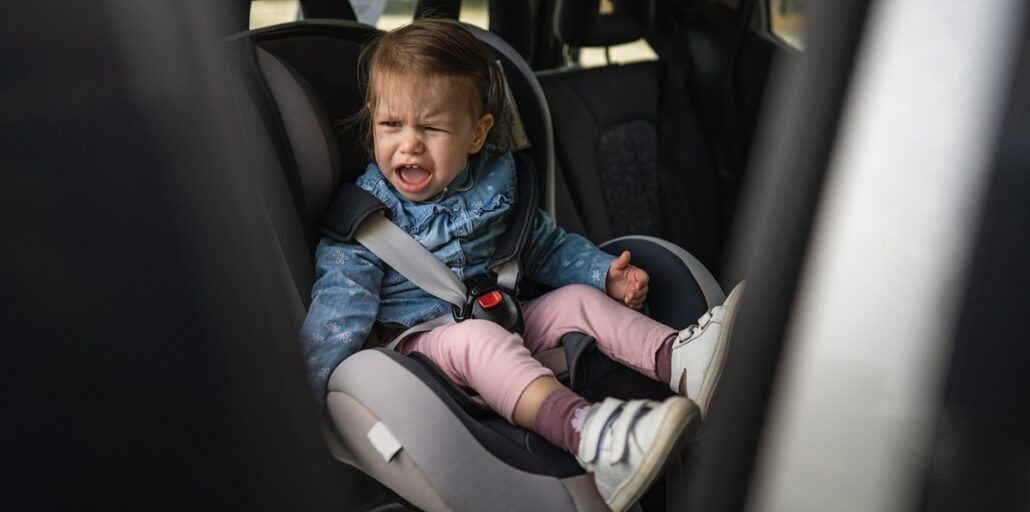
A Brief Errand or a Life-Changing Mistake? An Opinion on Leaving Children Unattended in Cars in Arizona
The debate over whether leaving a child alone in a parked vehicle should be classified as a criminal offense continues to spark controversy. In Arizona, where summer temperatures can soar, even a brief absence can quickly escalate into a situation that is not only risky but also filled with legal and personal consequences. This opinion editorial explores the legal aspects surrounding this issue, weighing the dangerous twists and turns of Arizona’s child endangerment law under ARS §13-3623 while offering insights into how these rules can shape a parent’s future.
At its core, Arizona law intentionally leaves some room for interpretation regarding leaving a child unattended in a car. While the state does not specifically ban the act, prosecutors often rely on ARS §13-3623 to pursue charges if the absence creates a substantial risk of harm. In this piece, we take a closer look at the hidden complexities of this law, explain the penalties, and break down common defenses—all to help manage the overwhelming legal challenges parents and guardians can face.
Understanding ARS §13-3623: The Legal Backbone of Child Endangerment in Arizona
ARS §13-3623 covers situations where a child faces physical injury, neglect, or conditions that threaten their health. Even though the wording of the law does not explicitly say “do not leave a child in a car,” the statute is often used by prosecutors to argue that any scenario which creates a substantial risk—whether physical injury, severe heat exposure, or additional hazards—qualifies as child endangerment.
This law encapsulates several tricky parts, including:
- The legal interpretation of what constitutes "substantial risk."
- The determination of negligence versus intentional harm.
- Balancing parental intent against the possibility of accidental exposure to dangerous conditions.
Due to these tangled issues, even a momentary lapse in supervision—like a quick dash into a store—can spiral into a nerve-racking legal process if it is deemed that the child's safety was compromised. Parents and caregivers must understand that these rules are not merely technicalities but are intended to protect some of the most vulnerable members of society.
Arizona’s Searing Heat and the Risks of Unattended Children in Vehicles
Arizona’s notorious summer heat adds an extra layer of danger to an already off-putting scenario. A parked car under the blazing sun can quickly turn into a dangerous oven. Consider this: on a day when the temperature hovers around 100°F, the interior of a car may very well exceed 120°F in less than 10 minutes. These conditions are not just uncomfortable; they are life-threatening.
Some of the key factors that make this situation so overwhelming include:
- Rapid Temperature Increase: The confined space of a vehicle can amplify the ambient temperature sharply and suddenly.
- Child Physiology: Children’s bodies heat up much faster than adults, meaning that even a short period of exposure can lead to heatstroke or worse.
- Additional Hazards: Beyond the heat, the risk of accidental car movement and potential exposure to other dangers (like kidnapping) escalates quickly.
This topic is not just theoretical—the statistics show that every year, numerous children are hospitalized or even tragically lose their lives as a direct result of being left unattended in vehicles under extreme conditions. That single moment of distraction can have irreversible consequences, both medically and legally.
Breaking Down the Fine Points of Child Endangerment Charges
The statute under ARS §13-3623 outlines a range of charges depending on the level of risk and harm involved. It categorizes offenses from misdemeanors to severe felonies, each with its own range of penalties. If a child is left unattended and there is no immediate harm, the offense might be classified as a Class 1 misdemeanor. However, if the situation is deemed to have posed a substantial risk of imminent death without any injury occurring, it can escalate to a Class 6 felony.
For those cases where the child suffers actual injury due to neglect or heat exposure, the charges can upgrade to a Class 3 felony, potentially leading to a sentence ranging from 2.5 to 7 years in prison. In the most tragic scenario—if the child dies as a result—the offense can lead to a Class 2 felony with penalties spanning 4 to 10 years of imprisonment and permanent parental rights termination.
The following table summarizes the range of charges and penalties under Arizona’s legal framework:
| Type of Offense | Classification | Potential Penalties | Relevant ARS Section |
|---|---|---|---|
| Endangering a child without injury | Class 1 Misdemeanor | Up to 6 months in jail, fines up to $2,500, probation, and parenting classes | ARS §13-3623(B)(3) |
| Substantial risk of imminent death, no injury | Class 6 Felony | Up to 18 months in prison, fines up to $150,000, and DCS supervision | ARS §13-3623(B)(2) |
| Child suffers injury from negligence or heat exposure | Class 3 Felony | 2.5–7 years in prison, possible custody loss, lifetime felony record | ARS §13-3623(A)(2) |
| Child dies due to being left in a vehicle | Class 2 Felony | 4–10 years in prison and permanent termination of parental rights | ARS §13-3623(A)(1) |
The table above highlights how quickly the consequences can escalate. Whether one is charged as a misdemeanor or as a severe felony, the legal landscape is riddled with tension and the potential for life-changing outcomes. It is critical that anyone involved in such a scenario seeks legal counsel immediately.
When a Quick Errand Turns into a Tangled Legal Battle
Parents may often argue that leaving a child for even a few minutes does not warrant criminal charges, especially if no harm comes to the child. Unfortunately, the law does not consider the outcome alone, but rather the potential risk involved in that short timeframe. Even if the child appears unharmed, an attorney may have to face charges that can leave a lasting impact on one’s record, making life an uphill battle in the legal system.
Here are some of the common scenarios that can lead to legal issues:
- A parent steps away for what feels like a brief moment, underestimating how rapidly conditions within the car can become hazardous.
- A situation where a caregiver misunderstands the laws, thinking that if no harm occurred, the law is not applicable.
- Instances where neighboring adults or passersby witness the child alone, leading to reports even if the absence was momentary.
Such situations are full of problems and often require experienced defense counsel to find a path out of the resulting legal maze. The few seconds a parent might be away could be used as a pivotal moment for prosecutors to argue negligence.
Common Defensive Strategies: Crafting Your Legal Shield
Defending against charges related to leaving a child alone in a car involves addressing several tricky parts of the scenario. Many defense strategies focus on the absence of criminal intent or on mitigating factors that might have contributed to the situation.
Reviewing a few key defenses can help clarify the options available:
- Lack of Intent: Establishing that the parent did not deliberately place the child in harm’s way. The core argument is that there was no intention to create a hazardous situation.
- Temporary or Insignificant Absence: Arguing that the absence was too brief to realistically generate a significant risk. This defense might be bolstered if the separation lasted only a few seconds, such as while returning a shopping cart.
- Emergency Circumstances: Demonstrating that the parent or guardian was responding to an immediate crisis (for example, a medical emergency) and that the decision was made in a state of urgency.
- Procedural Missteps: If law enforcement violated proper protocol, such as ignoring Miranda rights or conducting an unlawful search, your attorney might have valid grounds to have evidence suppressed or even the case dismissed.
Every case is unique, and these defenses depend heavily on the precise facts and conditions surrounding the incident. Understanding these little details is a super important part of any defense, as even subtle shades of difference in the circumstances can tilt the outcome one way or the other.
Working Through the Legal Maze: The Role of a Skilled Criminal Defense Attorney
The nuances of child endangerment laws demand that parents not only understand the statutory language but also prepare for the nerve-racking legal proceedings that might follow. This is where a seasoned criminal defense attorney plays a crucial role. Experienced lawyers in Phoenix and throughout Arizona know how to:
- Gather mitigating evidence that clearly shows a lack of intent to harm or that the actual risk was negligible.
- Work directly with investigators and experts to challenge the prosecution’s theory.
- Review surveillance footage, interview witnesses, and compile essential documentation to support your case.
- Negotiate for reduced charges or even seek a dismissal before the case escalates further.
When an attorney understands the twisted issues of these cases, they become more than just counsel—they become a partner in ensuring that one mistake does not irreversibly define a family’s future. The process of managing your way through these legal challenges involves a keen understanding of the hidden complexities involved in each step.
Recognizing the Signs: What to Do If You See a Child Alone in a Vehicle
Even if you are not directly involved, knowing what to do when you witness a child left unattended is critical. This situation is loaded with issues that require both urgency and caution. The immediate steps you should take include:
- Immediately Dial 911: Inform the authorities of the exact location, description of the vehicle, and the child’s condition.
- Assess the Situation: If the surroundings allow it and the vehicle is unlocked, you might consider providing fresh air by opening the door. However, caution must prevail as breaking the window without clear evidence of imminent danger can lead to unintentional consequences.
- Avoid Escalation: Stay close to provide details to law enforcement when they arrive, and do not intervene physically if it compromises your own safety.
It is important to remember that while good intentions can lead to positive outcomes, there is a fine line between offering help and complicating the legal scene. Only take action if the child appears to be in genuine, immediate danger—otherwise, waiting for first responders is always the best strategy.
Legal Missteps and How to Find Your Way Through Them: Practical Advice for Parents
Young parents and first-time guardians sometimes make decisions in a state of overwhelming stress that can lead to unintended legal consequences. It is essential to understand that even a short period of inattention may be enough to prompt an investigation by Arizona’s Department of Child Safety (DCS). Factors that come into play include:
- Duration of Absence: Even a few seconds away can be misconstrued as neglect if the conditions inside the car are deemed hazardous.
- Environmental Conditions: On hot days, the risk is intensified, and this element can greatly influence legal outcomes.
- Additional Caregiver Presence: While having another responsible adult nearby may help mitigate liability, it does not always offer complete protection from prosecution if the situation is seen as unsafe.
When you find yourself facing a situation that seems overwhelming, the best course of action is to seek legal counsel immediately. Managing your case through the legal system requires a level head and a focus on the little details that can differentiate between a momentary lapse and an ongoing pattern of neglect.
Legal Realities: How Charges Can Hang Over a Parent’s Future
The implications of a child endangerment charge extend far beyond the courtroom. Even if actual harm is not evident, merely facing charges can have intimidating social, professional, and personal effects. Here are a few reasons why these charges can be especially taxing:
- Long-Term Record Impact: A conviction—even one that is later discounted—can stick on your record, making future legal processes more complicated.
- Custody Consequences: In cases where the statutory risk is considered high, there may be interference from DCS, potentially leading to temporary or permanent loss of custody.
- Emotional and Financial Toll: Legal battles can be nerve-racking, financially draining, and stressful for the entire family, impacting everyday life and long-term opportunities.
This reality underlines why it pays to be cautious about leaving children unattended in a vehicle, even if the situation appears trivial at first glance. The repercussions can be significant, and often the law is less forgiving than we might hope.
Sorting Out the Case Details: Key Questions and Practical Advice
When facing or witnessing these legal situations, many common questions arise. Let’s dive into some practical answers that can help clear up the confusing bits of this debate:
- Is it ever acceptable to leave a child in a car for a few minutes? While Arizona law does not have an explicit ruling that bans every instance of a child being left in a vehicle, any exposure to potentially dangerous conditions may trigger legal investigation under ARS §13-3623.
- Can charges be issued even if the child is unharmed? Yes. The statute is primarily concerned with the risk itself rather than actual harm, meaning that charges can be pressed purely based on the potential for danger.
- What role does intent play in these cases? Intent is a key factor. If it can be clearly shown that no deliberate harm was meant, there is often room to argue that the absence was simply a momentary oversight.
- How should witnesses or concerned citizens react? If you observe such a scenario, your primary responsibility is to contact emergency services immediately rather than taking matters into your own hands.
These subtle distinctions and fine points are what make each case unique and underscore the need for experienced legal advice. In many instances, the right attorney can help disentangle the myriad issues that turn an innocent mistake into a full-blown legal ordeal.
Long-Term Implications: Learning from Legal Precedents in Arizona
Over the years, several cases in Arizona have underscored the importance of even a brief lapse in supervision when it comes to child safety. These precedents are a powerful reminder that the law is designed to intervene whenever there is a reasonable risk, regardless of the absence of actual injury. Courts have consistently ruled that the potential danger justifies legal action.
Parents and guardians should be aware of the following lessons from past cases:
- Preventive Measures Are Essential: Even if your intention was never to endanger your child, research shows that strict adherence to preventive measures helps avoid grants of liability.
- Understanding Local Temperatures: Realizing that inside a vehicle, temperatures can spike alarmingly, helps in making quick judgments regarding child safety.
- Legal Precedents Matter: Decisions in prior cases can influence how a current case is viewed. It is crucial to work with a knowledgeable legal professional who understands these historical outcomes to build a strong defense.
These real-world examples not only serve as warnings but also as critical learning opportunities for any parent or guardian seeking to safeguard their family from potentially costly legal entanglements.
How a Phoenix Criminal Defense Attorney Can Help You Secure Your Future
When you or a loved one is faced with criminal charges related to leaving a child unattended, the choice of legal representation becomes key. A well-informed Phoenix criminal defense attorney understands all the tricky parts, tangled issues, and little details that underpin each case. Their role is to help you steer through the complex legal system by:
- Reviewing Evidence Thoroughly: This includes everything from surveillance recordings to witness testimonies, ensuring a detailed analysis of your situation.
- Identifying Procedural Errors: Even small missteps in the initial handling of your case can be the leverage needed to dismiss charges.
- Providing Compassionate Support: Beyond the legal advice, having someone who understands the nerve-racking nature of these proceedings makes all the difference.
- Negotiating with Prosecutors: Experienced attorneys know how to get charges reduced, or even completely dismissed, by finding the gaps in the prosecution’s argument.
The legal process can be intimidating, but having the right team at your side transforms a potential legal tsunami into a manageable challenge. With experts who have handled hundreds of similar cases, you can be confident that every little twist in the procedure will be addressed appropriately, allowing you to focus on what truly matters—your family’s well-being.
Embracing Preventive Safety: Recommendations for Caregivers
In the wake of these legal challenges, it is important not only to understand the law but also to take actionable steps that prevent such situations from occurring. Here are some super important, practical tips every parent or caregiver should consider:
- Plan Ahead: Always have a backup plan when running errands. If you need to leave the vehicle, arrange for a trusted individual to stay with the child or ensure they are in a safe, climate-controlled environment.
- Monitor the Weather: Be even more cautious on hot days. Familiarize yourself with the temperature fluctuations inside parked vehicles and adjust your routine accordingly.
- Educate Caregivers: Make sure that all caregivers are aware of the risks and understand the law, so that even a brief absence is managed with maximum safety precautions.
- Maintain Strong Communication: Use technology—like mobile apps and alert systems—to keep an eye on your child when you must step away briefly.
By taking these preventive actions, caregivers not only shield themselves from legal repercussions but also help ensure that children remain safe during routine activities. These measures, though they may seem like small shifts, can have a far-reaching impact on preventing dangerous incidents.
Concluding Thoughts: The Balance Between Responsibility and Legal Protection
At the end of the day, the issue of leaving a child unattended in a car is not merely a legal matter. It is a discussion about responsibility, preparedness, and the measures we take to protect our most vulnerable. Arizona’s approach—anchored in ARS §13-3623—is a stern reminder that what might initially seem a minor lapse in judgment can quickly spiral into a daunting legal crisis.
This editorial is meant to serve as a wake-up call to parents, guardians, and even concerned bystanders: a few minutes of distraction can lead to years of legal complications, emotional trauma, and irreversible consequences. However, by understanding the law, taking preventive actions, and seeking the expertise of dedicated legal professionals, it is possible to manage the tricky parts and tangled issues of these situations more effectively.
Ultimately, our legal system is designed to protect children from harm—even if that means holding caregivers accountable for mistakes made in moments of stress. While the statutes are full of problems and may appear intimidating at first glance, a thoughtful approach to both prevention and legal defense can help ensure that no family is unnecessarily burdened with lifelong consequences for what was intended as a short errand.
In today’s fast-paced world, it is essential to remember that every decision we make, however small it may seem, can have lasting repercussions. Parents and custodians alike must remain ever-vigilant in mitigating the potential hazards that come with even brief moments of inattention. Whether you are a parent, a caregiver, or simply a concerned member of the community, this conversation underscores the importance of keeping safety at the forefront of every decision.
As we drive forward in an era where the environment itself poses unpredictable challenges, we must take the necessary steps to protect our children and prevent tragic outcomes. The legal system, with all its nerve-racking details and fine points, continuously reminds us that the safety of our children is a shared responsibility—one that demands both personal diligence and the support of skilled professionals when needed.
For those who might find themselves caught in the whirlwind of legal complications after an incident, know that you are not alone. Legal help is available, and with the right guidance, it is possible to find your way through this tense and often overwhelming situation. Whether you are facing charges, simply need clarity on the law, or want to ensure you never have to confront these issues in the first place, investing in legal expertise now can make all the difference later.
Let this editorial not be seen as an indictment of parents or caregivers but rather as a reminder of the delicate balance between momentary human error and the legal obligations that are designed to keep every child safe. It is a call to action—an invitation to learn, to prepare, and to protect the future, one small decision at a time.
Ultimately, everyone benefits when children are kept safe. Not only does this protect the physical well-being of our youngest citizens, but it also shields families from the scary long-term effects of legal battles that can arise from an innocent mistake. Let us all work together to make smart, informed decisions so that every parent can confidently find their way through even the most complicated pieces of everyday life.
In conclusion, while leaving a child unattended in a car might appear to be a minor lapse when viewed in isolation, the potential legal and personal consequences are anything but trivial. Each moment spent away from a vigilant watch can translate into a series of nerve-racking legal challenges. Therefore, let this be a super important reminder: always think ahead, stay informed, and act with the utmost care to safeguard the lives and futures of those who depend on you. In our shared journey, cracking down on these risky situations today helps create a safer, more secure tomorrow for our communities.
Read more about this topic at https://arjashahlaw.com/criminal-defense/child-alone-in-car-endangerment/
Related articles you might like
The 2025 Florida Statutes
The Dangers of Leaving Children Unattended in the Car
* This article was originally published here


No comments:
Post a Comment