


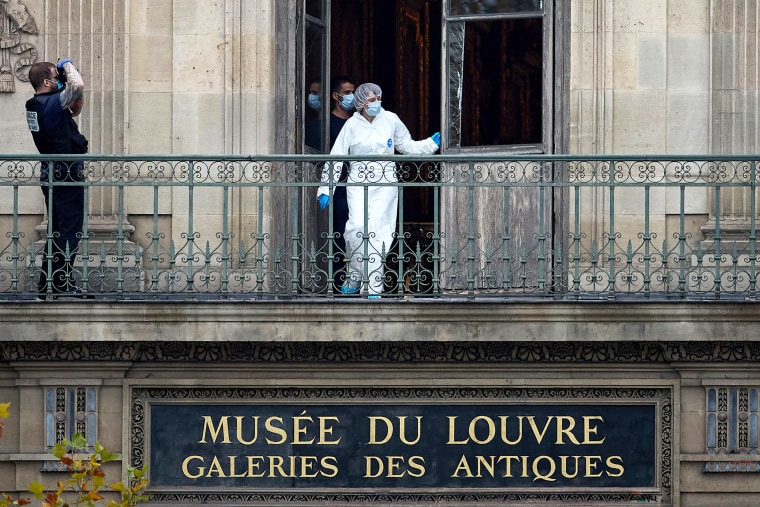
International Art Heist and Legal Precedents
The recent high-profile theft at the world-renowned Louvre Museum has once again stirred public debate and legal analysis around the protection of cultural treasures. This brazen act, in which thieves managed to snatch priceless Napoleonic jewels in a matter of minutes, places a spotlight on the tangled issues of museum security, cross-border jurisdiction, and the legal legacy of stolen art. In our modern society where cultural heritage intertwines with law enforcement practices, it is essential to take a closer look at how legal frameworks manage incidents that are as sneaky as they come.
Art theft has long been a subject loaded with issues and tensions, blending the fine points of criminal law with the subtle details of international treaties and cultural preservation. The Louvre heist, which unfolded with nerve-racking speed, challenges not only the security systems of historic institutions but also exposes the vulnerable spots in legal protocols that govern such priceless relics. This opinion piece aims to dig into the many legal twists and turns prompted by this incident, examining its impact on both domestic and international levels.
Legal Implications of Stolen Cultural Treasures
The theft of works and artifacts from established museums like the Louvre represents more than a simple instance of criminal activity. It poses a series of legal puzzles that require careful thought from experts in art law, criminal justice, and international relations. The case invites us to figure a path through complicated pieces of legislation that span different jurisdictions and historical legal precedents.
One of the most pressing legal questions is the venture into prosecuting these crimes on an international stage. Crimes that cross borders bring into play treaties, extradition agreements, and the sometimes nerve-racking bureaucracy of international law enforcement agencies. The case also invites discussions on whether the stolen items should be considered as part of a nation’s cultural property that is protected under international conventions.
These issues are illustrated by several key questions that legal authorities must now address:
- How can law enforcement agencies from multiple countries work together effectively?
- What are the limitations imposed by existing treaties on the recovery and repatriation of stolen cultural treasures?
- How might legal definitions of “property” and “ownership” be reinterpreted in light of historical artifacts with disputed provenance?
The answers to these questions do not come easily, but working through the little twists and fine points of international law is super important. Each point deserves rigorous analysis to ensure that the legal system can keep pace with both innovative criminal tactics and the inherent challenges posed by cross-border crimes.
Cross-Border Jurisdiction and Enforcement Challenges
The Louvre heist vividly underscores the need for a robust framework to manage criminal activities that extend beyond national boundaries. When art theft involves items that have deep historical and cultural significance, the enforcement measures become as tangled as trying to steer through a labyrinth of legal formalities. In such cases, it is essential for law enforcement agencies, both domestic and international, to find their way through overlapping jurisdictions.
Several factors complicate this process:
- Varied National Laws: Different countries interpret the ownership and protection of cultural property in unique ways.
- Extradition and Mutual Legal Assistance: These legal processes are often off-putting due to bureaucratic delays and complex negotiation mechanisms.
- Evidence and Chain of Custody: Maintaining clear evidence across borders involves extra layers of legal proof and additional validation by expert agencies.
Incidentally, the challenges are not only bureaucratic but also technical. Securing artwork involves preventing the physical destruction, resale, or relocation of items that hold extremely significant historical value. These factors make it super important for legal experts to re-examine and potentially revise the protocols for international sleuthing in art theft cases.
Security Measures and Legal Liability in Museums
Museums, as guardians of history and art, carry a super important responsibility to safeguard cultural treasures. The shocking ease with which these priceless jewels were taken points towards significant gaps in security protocols. This incident forces us to poke around the accountability of the institutions that house such treasures, and whether their security breaches suggest legal liability on both public and private levels.
Legal liability in such cases often revolves around two main areas:
- Negligence in Security Measures: Museums have a responsibility to implement state-of-the-art security technology and procedures. Failing to do so can leave them vulnerable to claims of negligence.
- Contractual Obligations: Many museums operate under contracts with private security firms. Disputes can arise regarding who bears responsibility when security measures fail.
These points illustrate the tricky parts that legal teams must sort out when determining liability. It is not only about assigning blame but also about finding the correct legal remedy that ensures such breaches do not reoccur. Furthermore, precedent-setting legal cases in this domain could influence future policies and practices within the cultural heritage arena.
Reforming International Art Law and Security Protocols
In light of recent events, it may be time to review and overhaul international art law and museum security protocols. This process of reworking legal guidelines is both intimidating and necessary, given the increasing incidence of high-profile art thefts around the globe. Experts propose several key reforms that might help in making art institutions and regulatory frameworks more resilient against such daring heists.
Some of the proposed changes include:
- Improved International Cooperation: Establishing stronger collaborative ties between law enforcement agencies across national borders is key to ensuring prompt action when cultural treasures go missing.
- Enhanced Security Standards: Implementing advanced surveillance technologies and real-time monitoring systems should become standard practice.
- Clearer Legal Frameworks: Crafting uniform international legal standards for the recovery of stolen art can help alleviate confusing bits of jurisdictional disputes.
- Accountability Protocols: Museums might be required to publicly disclose their security policies and acceptable risk management procedures, increasing transparency and public trust.
A table outlining current issues versus recommended reforms might help clarify these matters:
| Current Issue | Proposed Reform | Expected Outcome |
|---|---|---|
| Fragmented International Cooperation | Establish an international task force on art theft with streamlined protocols | Faster and more coordinated responses |
| Outdated Security Measures | Adoption of latest surveillance and biometric systems | Enhanced preventive measures against theft |
| Jurisdictional Disputes | Uniform legal definitions and treaties on cultural property | Clearer process for intergovernmental cooperation |
| Lack of Accountability | Mandatory public reporting of security protocols and breaches | Increased transparency and preventive action |
The need to make your way through the maze of legal updates is clear, especially when the cultural and historical importance of artifacts goes beyond mere monetary value. The process of legal reform here is all about establishing a system that not only deters art theft but also ensures a robust and fair process of recovery and accountability.
Understanding the Public Trust and Its Legal Underpinnings
In cases of high-profile theft, public trust becomes an essential component of effective law enforcement and legal governance. The public looks at these incidents not only through the lens of art preservation but also with regard to how confidently institutions and the legal system can protect national treasures. When trust is undermined by letting valuable art slip through the cracks, it has effects that ripple across cultural and civic life.
Legal experts suggest that restoring public trust involves several critical steps:
- Transparent Investigations: Authorities should maintain an open line of communication with the public regarding the progress of investigations in such cases. Transparency can ease some of the intimidating feelings that often arise when details are scarce.
- Accountability of Institutions: Museums and galleries must be held accountable for their security shortcomings. Clear legal consequences for negligence can serve as powerful deterrents against future lapses.
- Engagement with Cultural Stakeholders: Engaging legal scholars, museum experts, international liaisons, and the general public in dialogue about these issues can help bridge knowledge gaps and foster a more supportive legal environment.
Restoring confidence in both cultural institutions and the legal system is a process filled with many subtle details. Creating regular accountability assessments and independent audits of museum security measures can help manage your way through these matters, ensuring that public trust remains intact even after such nerve-racking events.
High-Profile Heists and Their Legal Impact on Policy Reform
The modern era of crime has brought with it an array of fast-paced, daring heists that test legal boundaries and challenge law enforcement protocols. High-profile cases like the Louvre theft force us to look at policy reform from a fresh perspective. Each incident contributes to a growing body of case law that lawyers, policymakers, and international bodies must closely examine to figure a path forward.
These events significantly influence governmental priorities and legal reforms. For instance, when incidents of art theft become public spectacles, they spark debate in legislative bodies on improving funding for security technology, supporting international law enforcement cooperation, and revising existing laws that seem off-putting or outdated. This legislative momentum can be a double-edged sword: while it often leads to super important improvements, it may also generate unintended consequences if not implemented with a balanced view of cultural freedoms.
Key impacts include:
- Increased Funding for Security: Incidents of this magnitude often compel lawmakers to allocate more funds to improve both technological and human security resources.
- Revised Legal Safeguards: Lawmakers may work to narrow loopholes in international treaties and domestic laws that permit criminals to exploit jurisdictional gaps.
- Enhanced International Collaboration: Through reform, governments can promote stronger alliances with international regulatory bodies and law enforcement agencies.
Ensuring that legal reform remains balanced and takes into account both preventive and restorative justice measures is key. The devil is in the fine details, and every little twist in the legal process—from documentation to prosecution—needs to be scrutinized to build a system that stands the test of time and modern criminal ingenuity.
Balancing Cultural Heritage Preservation and Criminal Justice
At the heart of the Louvre heist and similar art theft cases lies a conflict between the safeguarding of cultural heritage and the pursuit of criminal justice. On one hand, museums are tasked with preserving the physical embodiments of history, art, and national pride. On the other, prosecutors and law enforcement agencies face the challenge of taking legal action against perpetrators in cases that are loaded with legal complications.
Legal professionals argue that it is essential to strike a balance between these two mandates. Failure to design a legal framework that considers both priorities may leave a gap that criminals can exploit. This balancing act involves:
- Protecting Cultural Artifacts: Ensuring that legally binding measures require museums to implement and maintain robust security standards.
- Ensuring Fair Legal Processes: Reassessing the legal procedures for prosecuting high-profile art thefts to ensure evidence is collected and preserved without compromising cultural integrity.
- Promoting International Policy Dialogues: Encouraging discourse among nations regarding standard practices for the security and retrieval of stolen art.
Addressing the little twists and confusing bits of law in these areas will require an integrated approach that involves policymakers, security experts, and representatives from cultural institutions. The overarching goal is to prevent future incidents and to restore the confidence of international communities in legal systems that manage these sensitive, yet super important, issues.
Legal Accountability and the Role of Regulatory Oversight
As the case of the Louvre heist unfolds in both media and legal circles, there is a growing call for more proactive and rigorous regulatory oversight. Legal accountability does not simply arise from the aftermath of a heist; it is built step by step through laws and regulations fashioned to deter misconduct before it occurs. This preventive approach is essential in a landscape that is, more often than not, full of problems and loaded with tension.
Key facets of regulatory oversight include:
- Routine Audits: Regular examinations of museum security protocols by independent bodies can help detect vulnerabilities before they are exploited.
- Mandatory Reporting: Institutions could be required to publish detailed reports on their security measures, incidents, and subsequent legal actions.
- Industry Standards: The development and implementation of industry-wide standards can create a baseline of acceptable practices, reducing the likelihood of lapses.
- Enhanced Training Programs: Ongoing training for both museum staff and security teams can ensure that all parties are aware of their responsibilities in preventing and responding to theft.
By taking these steps, regulatory oversight can become a cornerstone of the legal strategy in the cultural heritage sector, ensuring that the fine points of technology, policy, and legal enforcement are all aligned towards deterring future criminal activities in this field.
Community and Cultural Impact of High-Profile Art Thefts
The repercussions of an art heist extend far beyond the realm of legal disputes and police investigations. The loss of cultural artifacts affects communities deeply, shaking the public’s confidence in institutions that are meant to secure their historical identity. As we take a closer look at the broader cultural impact, it is evident that art thefts create a ripple effect that touches on community pride, heritage preservation, and even tourism.
Communities affected by such incidents face several challenges:
- Loss of Cultural Identity: Stolen artifacts are not mere objects; they represent the shared history and traditions of a community.
- Economic Consequences: Museums and cultural sites that suffer from theft may experience declines in visitor numbers, affecting local economies that rely on tourism.
- Psychological Impact: When treasured artifacts are stolen, there is a sense of communal violation that can lead to lasting emotional distress among locals.
Addressing these challenges requires a combination of legal remedies and community initiatives. In many ways, building a legal framework that bolsters museum security and reforms international art law is a proactive measure aimed at mitigating the cultural and financial damage wrought by theft.
Policy Recommendations and the Future of Art Law
The evolving landscape of high-profile art thefts has sparked numerous discussions among legal experts, policymakers, and cultural custodians regarding the future of art law. There is a growing consensus that current practices must be updated to reflect today's globalized world—a world where criminals can cross international borders with relative ease and where public expectations for legal protection continue to rise.
To address these challenges, several policy recommendations have emerged:
- International Legal Harmonization: Create comprehensive treaties and protocols that standardize laws regarding the protection and return of stolen art.
- Enhanced Digital Surveillance: Invest in technology that allows museums to monitor their collections continuously, reducing the time it takes to detect and respond to thefts.
- Stronger Penalties: Establish harsher penalties for individuals and groups involved in high-profile art thefts to serve as a deterrent.
- Public-Private Partnerships: Strengthen collaborations between governmental bodies and private security firms to ensure that the safest possible measures are in place at cultural institutions.
These recommendations, if implemented effectively, could lead to a future where the cultural landscape is better protected from the nerve-racking acts of daring criminals. Legal reform in the art world is a process that will continue to evolve, shaped by both technological advances and the persistent ingenuity of those who seek to exploit legal and security gaps.
Challenges in Prosecuting High-Profile Art Theft Cases
Prosecuting high-profile art thefts introduces a host of legal challenges that require careful analysis and inventive legal strategies. The rapid pace at which criminals operate in the art underworld, combined with blurred jurisdictional boundaries, creates a diagnostic puzzle that legal professionals must work through meticulously. The challenge is not only to secure a conviction but also to ensure that legal proceedings are fair and transparent under laws that might feel intimidating or overwhelming to the untrained eye.
Some of the most challenging legal bits include:
- Gathering and Preserving Evidence: Cross-border transactions and encrypted communications can hamper the collection of strong admissible evidence.
- Jurisdictional Overlap: Determining which country’s laws apply when perpetrators operate internationally can complicate the prosecution process significantly.
- Legal Procedures and Delays: Lengthy legal procedures, often bogged down by excessive bureaucracy, further obscure the straightforward task of administering justice.
Prosecutors need to figure a path that bridges these legal gaps, ensuring that even the most elusive criminals face the full weight of international law. In doing so, they pave the way for a system of justice that is more resilient and responsive to modern challenges.
Lessons Learned and the Call for Ongoing Dialogue
The recent Louvre Museum heist is not an isolated incident, but rather a stark reminder of the continuous need for vigilance, legal reform, and public discussion in the realm of cultural heritage protection. As society evolves and criminal methods become ever more sophisticated, it is incumbent upon us to get into these issues, examine the subtle details of our current legal frameworks, and push for meaningful dialogue among all stakeholders.
This conversation should include:
- Law Enforcement Officials: Sharing knowledge and best practices from past incidents to develop more agile response strategies.
- Legal Scholars and Policymakers: Critically analyzing existing statutes and proposing clear updates that reflect the emerging realities of global art crime.
- Museum Administrators: Engaging in public accountability and transparency regarding security measures and risk management strategies.
- Cultural Advocates and the Public: Ensuring that community voices are heard in discussions about cultural preservation and legal reforms.
Such open dialogue is necessary to build a framework that not only addresses the immediate challenges of art theft but also establishes resilient mechanisms for future incidents. It is by working through these tangible pieces of legal and procedural reform that society can hope to safeguard its artistic and historical heritage effectively.
A Look Forward: Strengthening Legal Frameworks in a Changing World
Going forward, reforming legal frameworks to effectively address the challenges of art theft is an off-putting task that must be undertaken with equal measures of resolve and adaptability. Among the many action points is the streamlining of international legal processes to minimize delays and jurisdictional hurdles, thereby creating a legal environment that can quickly adapt to fast-paced criminal innovations.
Some strategies for future progress include:
- Leveraging Technology: Incorporating state-of-the-art digital tools for evidence collection, forensic analysis, and real-time monitoring will be key to surmounting modern criminal methods.
- Establishing a Global Art Crime Database: Creating an international repository of data on stolen cultural artifacts can improve recovery rates and assist cross-border investigations substantially.
- Regular Legal Reviews: Instituting periodic reviews of art theft laws and security standards to ensure they remain relevant in the face of evolving criminal tactics.
- International Training Programs: Promoting shared training initiatives among law enforcement agencies, museum security personnel, and legal practitioners can foster better cooperation and understanding.
While the road ahead is filled with many tricky parts and interconnected legal challenges, these strategic steps offer hope for a more effective and coordinated response to the global problem of art theft. It is super important that everyone—from governments to local agencies—bands together to ensure that the legacy of cultural heritage is preserved for future generations.
Conclusion: A Unified Approach to Protecting Cultural Heritage
The theft at the Louvre serves as a wake-up call that resonates on multiple levels—from international law enforcement to community pride and the very fabric of cultural heritage. As we have taken a closer look at the various dimensions of this incident, it is clear that the legal system is being put to the test by criminals who exploit every little twist in our current frameworks.
Restoring public confidence, updating security protocols, and reinforcing international cooperation are all essential components of a proactive legal strategy. While the task is undeniably intimidating, it also presents an invaluable opportunity for reform that could yet transform the approach to cultural property crime worldwide.
Moving forward, the legal community, policymakers, museum administrators, and the public must work together to create an enduring framework that both respects the legacy of cultural treasures and provides a sturdy legal shield against those who would dare to undermine that heritage. Through continuous dialogue, rigorous legal analysis, and the implementation of improved security practices, society can successfully tackle the nerve-racking challenges posed by high-profile art heists and safeguard the precious remnants of our shared history.
Originally Post From https://www.azfamily.com/video/2025/10/20/thieves-snatch-priceless-jewels-louvre-museum-minutes/
Read more about this topic at
Physical Damage Coverage | DIFI
What Is Considered Full Coverage Insurance in AZ?
* This article was originally published here


No comments:
Post a Comment